English lessons for them, Arabic lessons for me.

I have no idea what impact I had this morning during my first day teaching English, but I was given an exquisitely drawn rendering of my name in Arabic by the one student who told me without words that she was not going to talk.  Instead, she carefully drew a very stylized version of my name in Arabic.  Every once in a while, I’d notice her looking up from her drawing, with a
grin or a chuckle at something I had said, so responding or not, I think she understood more than she wanted to admit, and was simply shy about speaking.

There were 20 students at the school, mainly female (three male students trickled in during the course of the class, which surprised me, but I was told that men were allowed to attend the English lessons).  Although they all had different skill levels, the one thing they had in common was their desire to learn.  I was with another volunteer from the house, Kelsey, who made it a bit easier, even if that was simply to have someone to share glances of “what do we do now?”  We decided to break into two groups of ten, which made conversing a bit easier.  Because we didn’t know what their English abilities would be, we didn’t bring any materials with us, so we were winging it all the way.  I did, however, bring some photos I had of my family and life, as I thought they would make for a good conversation starter. They all seemed to be able to understand most of what I said and could string together simple sentences.

Shortly after passing the photos around, I noticed that the woman seated next to me had lowered her head onto the table.  I thought that perhaps she wasn’t feeling well, but then I realized that she was crying.  She explained to me that her son lived in California and she missed him terribly. Seeing the photos of me with my children made her sad.  Of course, I felt terrible, and any momentum I had made with my now smaller group of students was quickly lost.

One of the other women glanced at me and, without saying a word, giving me permission to go on, as she knew her friend would be fine. No one else in the group reacted to the crying. Maybe this happens a lot?  I couldn’t help but remember something Mohamed had told us the previous day: never take the value of our passports for granted.  In Morocco, you must obtain a visa to leave the country, which requires an application several months in advance, along with a $160 fee.  He said that you may or may not get the visa, and you don’t know until you are notified by mail.  Of course, the $160 is lost either way (minimum wage is $250 a month, so a $160 fee is considered a lot of money).  This poor woman, working so hard on her English so she will be able to speak English for “when I’m in America,” may not even be able to get a visa, regardless of her language abilities.

I had just gotten started again with my impromptu teaching when the same woman who indicated to me that it was Ok to continue, grabbed my arm and pulled me closer to her, and told me she had recently had an operation.  It took a few tries of her telling me, but I was finally able to put it together that she had breast cancer, had recently had a mastectomy, and had just finished radiation.  She may have found a friend, but I’m not sure sitting next to me is such a good idea, as I think she was trying to turn a classroom situation into “private lessons.”

I pulled out just about everything I had, as my group patiently waited to see what I had for them next.  No one, except for my new best friend, wanted to take any initiative in the talking, short of the guy in my class who was very interested in learning more about Las Vegas.  I’ve only been there once, but I did my best to stretch out what little I had.  Oh,  and he wondered…”Did I eat at McDonald’s a lot?  I think he was disappointed when I told him no, I didn’t eat at McDonald’s.

This was not easy today, and if I didn’t have something to tell them, they would quickly fall into spirited conversations among themselves… of course, all in Arabic.  I experienced several of those awkward moments of watching myself as I tried to work my way back into the attention of everyone who was surrounding me at the table.  Slowly, work myself back into visibility with anything I could pull up… “What did you do yesterday?  Wasn’t it hot?”   Sorry, folks, but short of asking you your favorite color, that’s all I’ve got.  I know it will get better.

Kelsey had a similar experience with her group, so once back at the house, we started poring through the stacks of materials we found in a supply closet and were relieved to at least have something to work with tomorrow.  This is a free language school for students and is staffed solely by volunteers.  I always wonder how much impact I’m really making during volunteer situations like this, but when Mohammad told us that if we weren’t there, they wouldn’t have had class, it made me realize that we absolutely were making a difference, regardless of how inept I felt today.

Teachers: I’ve always had the utmost respect for what you do, but that respect doubled today.
The rest of the group volunteered at the children’s orphanage or the children’s hospital.   After hearing their stories, I am confident that I made the right choice in my job placement.  Most of the children at the orphanage were “thrown away” after birth by single mothers to avoid jail time, as giving birth out of wedlock is punishable by law.  One of the other volunteers told me that most of them were severely deformed and needed complete care.  She also told me that the place was immaculate and that the children were very well cared for.

I remember the long, quiet rides back to the house after volunteering at my placement in Perú, and today was no different.  No doubt, first and foremost on all of our minds was how fortunate we were that we were born in the United States.  It’s easy to forget that.

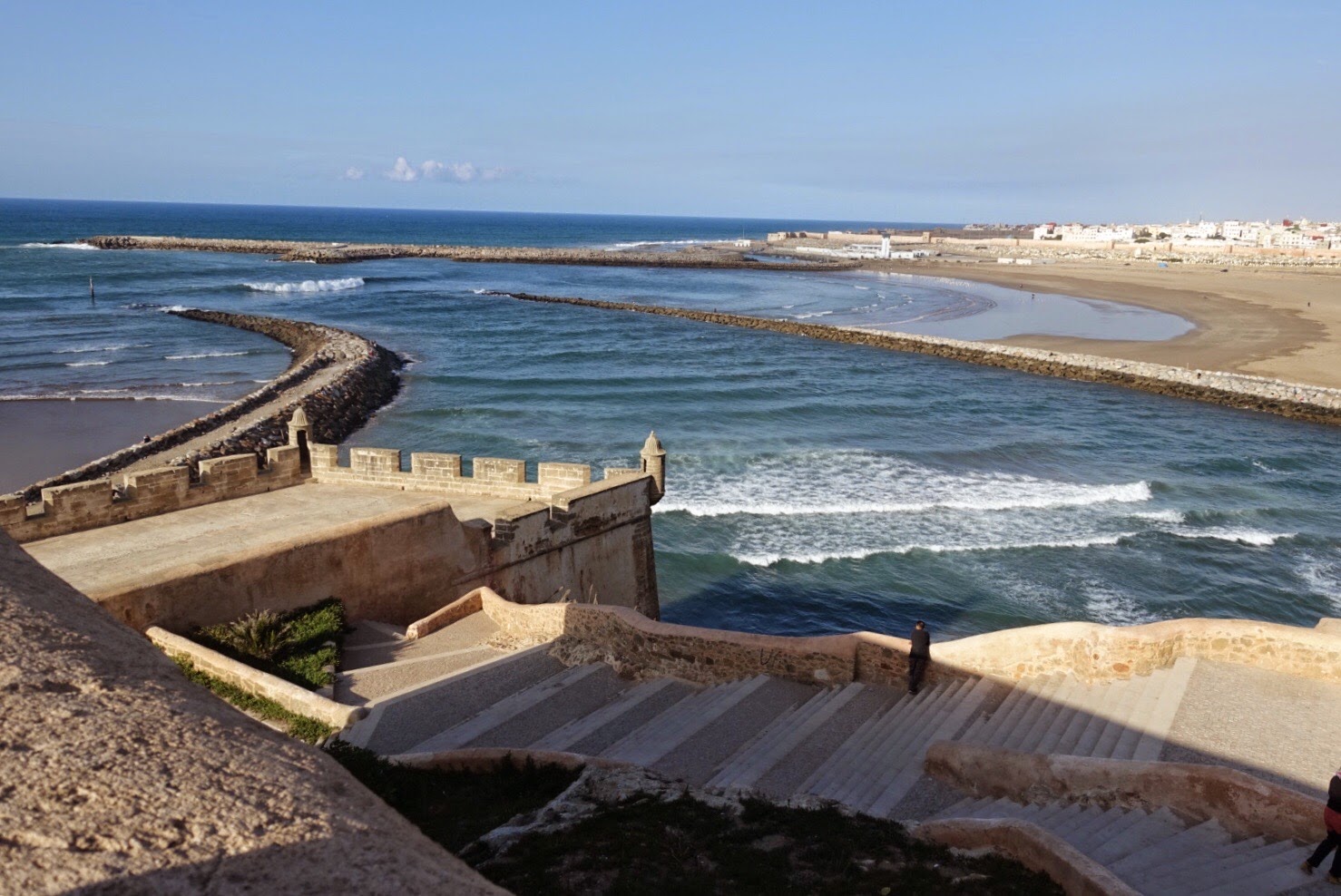
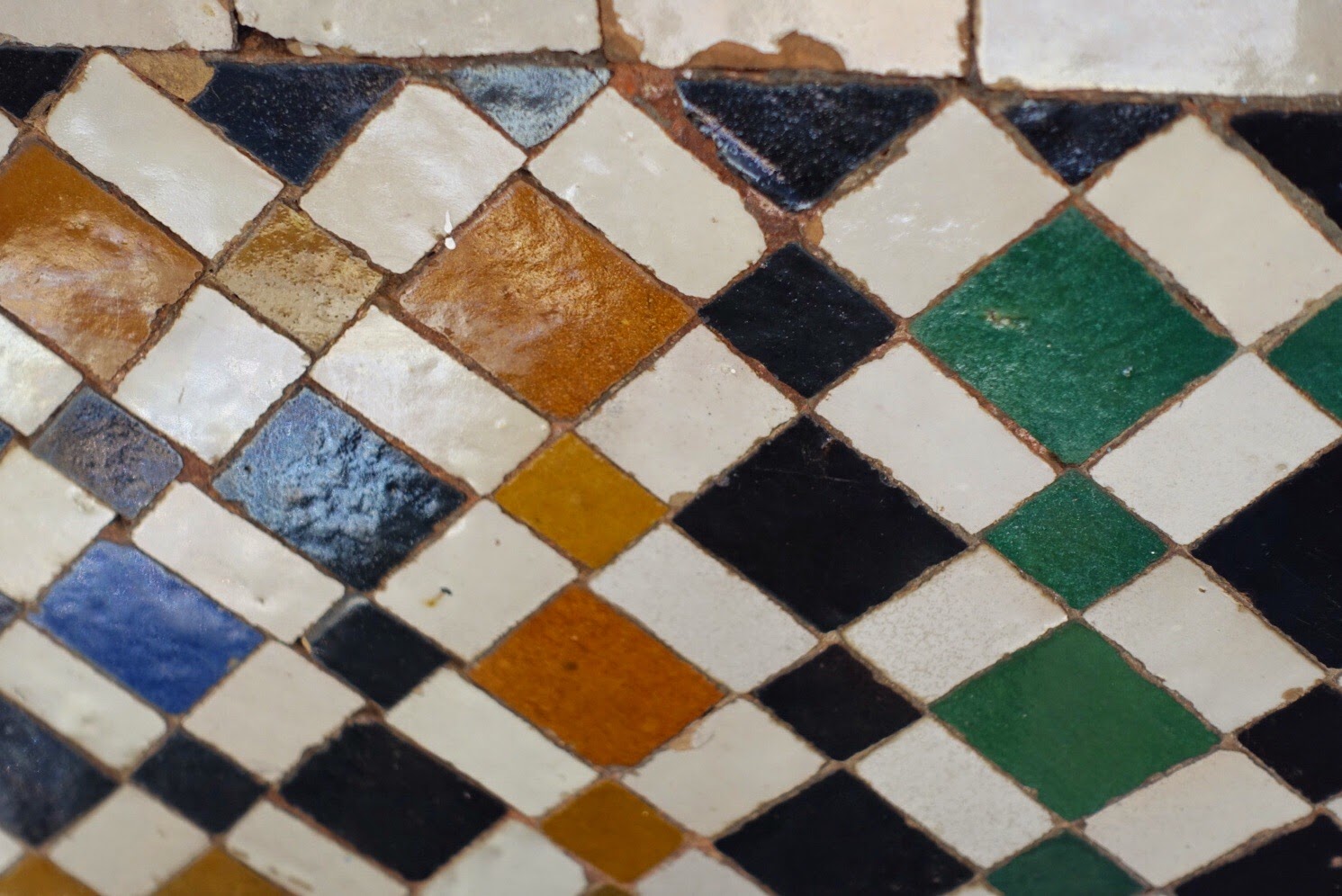
We had an afternoon of sightseeing, with time inside the Medina (the old walled town), an ancient fort, and our first glimpse of the ocean.  The colors were amazing.
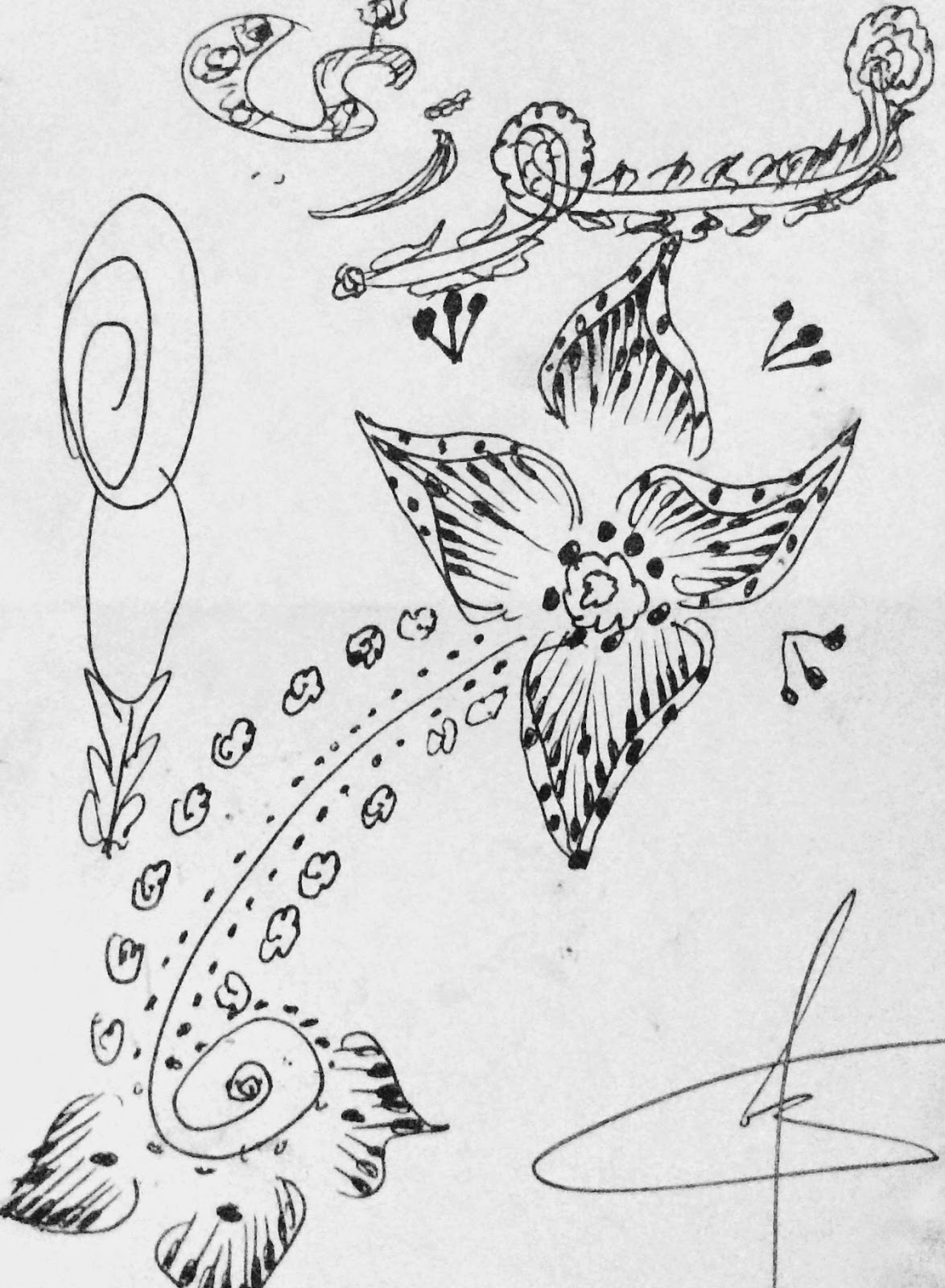
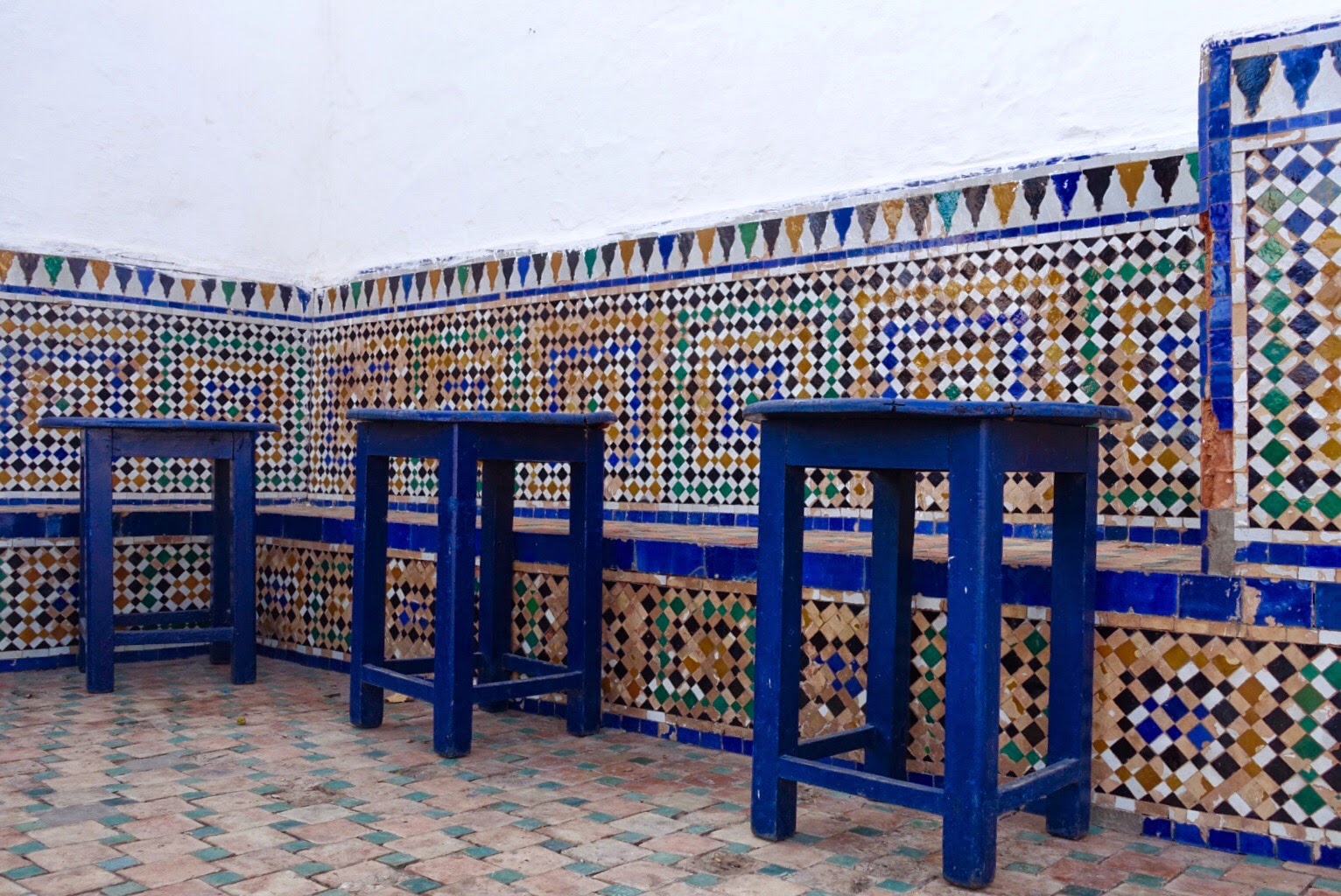
My name is in there somewhere…

One last thing… in the short amount of time I’ve been here, I’ve already become accustomed to the bells, that sound more like fog horns, that signal prayer time…  four times a day..
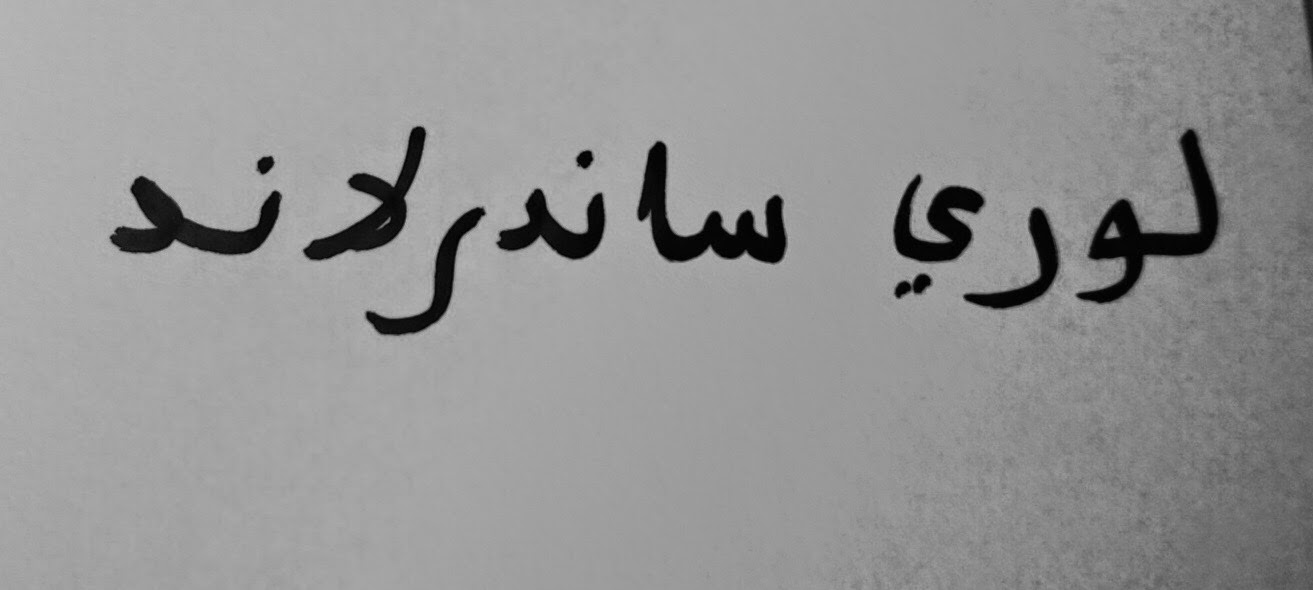
Arabic is hard…

This is what I learned today… (Or at least what stood out).  Arabic is a challenging language, but I had kind of figured that out before I came, so I’m not going to count that as one.

1. TRUE Argon oil (very popular here) comes from the Argon tree, which is only grown in one city in the world… Agadir, Morocco, which also happens to be the hometown of our house manager.  Goats climb the argon trees and eat the hard shell off of the nut, which then falls to the ground and is harvested.  I’m hopeful to be able to witness this… trees filled with goats.  Mohammad said it looks a lot like a tree full of birds, only of course they are goats, not birds.  Seems like something worthwhile to seek out.

2.  Bread is considered sacred (it is a very bread-centered diet here… again, died and gone to heaven on the food here…) so all bread scraps must be put in a separate container when we clean up our plates after mealtime.  The leftover bread is then fed to animals.  All other trash is thrown out.  No recycling (or at least not here…)

3.  If you are Moroccan and want to get a hotel room with someone of the opposite sex, you must show proof of marriage.  It is illegal for Moroccans to share a hotel room unless married.  This does not apply to other nationalities.

This is a fascinating country, and our in-country manager, Mohamed, is extremely personable and very knowledgeable.  He served in the Peace Corps, has a law degree, is fluent in several languages, and has an incredible sense of humor.

She’s not in Kansas anymore…

You know you are far from home when you have to go through two other translations before you finally hear English. Still, you’re discouraged that you can’t understand a word of your native tongue, which is hidden behind a very thick Arabic accent with a significant French influence.  And then there’s the signage, as beautiful as it is curious.

The journey to Rabat was long… not because it was all that far (a “short” two hour flight from
Paris), but because the most significant part of the flight, Boston to Paris, felt more like a Kansas City to Albany run given the size of the plane…knee to knee, elbow to elbow, bad food and generous pours on cheap wine, all adding up to a not so great experience, short of a lovely French woman sitting next to me (seriously, are we ever so intimate with strangers but on a plane?) who was interested in what I was knitting and pulled out her phone to share photos of her recent knitting projects.  Sometimes words aren’t necessary.  I love that.

The house where I’m staying is small but very charming and efficient.  It’s also immaculate, and I would feel totally comfortable eating off any part of the floor, where, by the way, shoes are not allowed.  Barefoot all the way.  I will be sharing my small room with two bunk beds with another girl, whom I haven’t yet met, as she is away this weekend.  I’ve taken cues from her neatly stacked belongings and have tried to organize my things with that in mind. I’ve copied her and am using the top bunk to lay out my clothes, as there isn’t another spot to put them. I couldn’t help but think back to my college dorm days, waiting to meet my roommate, whom I didn’t know and whose bed was mere feet away from mine.

Tomorrow, the four volunteers who arrived today and I will have our orientation, when I will learn more about what I will be doing during my time here. Mohamed, our house manager, said I may be the only one from the house placed at the women’s center, as it sounds like everyone else will be working at the orphanage.  The unknowing, going to bed with new sounds, new smells, and new sensations, reminds me of why I love this so much, which surprises my orderly, Virgo side.  It takes me back to so many first nights in new countries when I teetered between waking up in the middle of the night with feelings of what the hell am I doing?, to not being able to fall asleep because I was so anxious for it to be morning when I’d be able to get a closer look at my new temporary home and learn more about where I’d be volunteering.

There were only four of us in the house tonight as the rest of the group was traveling for the weekend. We had a lovely light supper of lamb, rice, fruit salad, roasted fennel, Moroccan soup, homemade bread, dates, pomegranates, and a combination of sautéed vegetables.  Not only was it a beautiful spread, but it was also delicious.
For now, I’m tucked in my lower bunk, ready to sleep off some of this jet lag.  I’m soaking in the smells and sounds of this new city, new country, new continent, and it’s feeling pretty fantastic.  I can smell a hint of jasmine that is coming through the billowing curtains of my open deck door. Perfection.

I need to add a disclaimer regarding editing. I’m not used to my new iPad combined with my blog site that’s totally gone French on me ( I definitely need to learn how to say “delete” in French and quit pushing that button.) This was quite a challenge for me to complete this tiny task of typing tonight. I’m hoping I can blame most of it on jet lag, but that may be overly hopeful. So ignore the obvious, including the creative indents that insist on being present regardless of what I do.

Salaam from Rabat!

Laurie Sunderland, reading from right
to left.

Going to the “BEYOND” part…

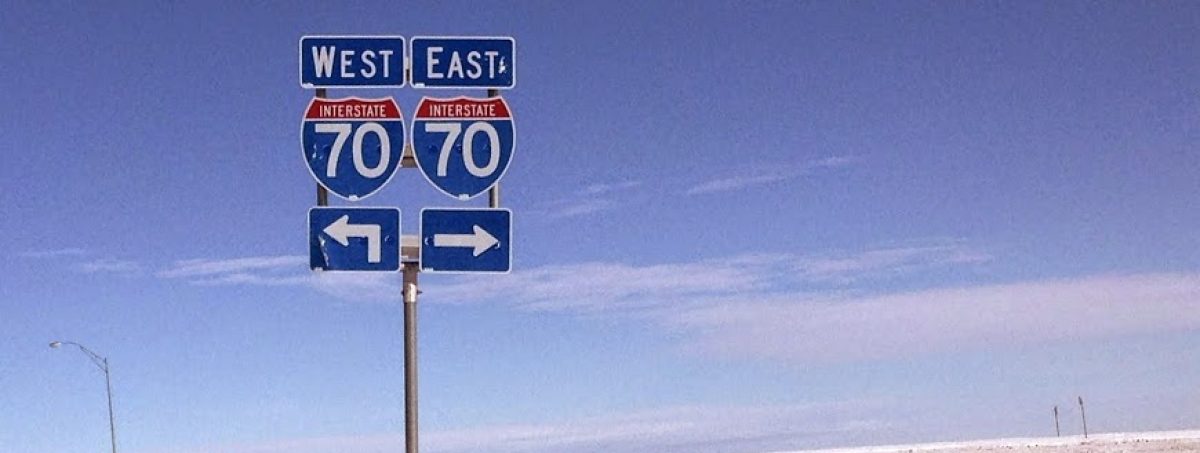
In a few days, I’ll be leaving the many comforts of home and stretching my travels a bit farther than my usual 677 miles east or west down I-70.  I’ll be headed to Morocco, where I’ll be living in Rabat for three weeks.  I’ll be spending my time volunteering at the Feminin Pluriel, a women’s center that utilizes social, cultural, and educational activities to empower women.  That being said, I really have no idea what I will be doing.  The language barrier is a bit daunting to me right now, given that I don’t speak Arabic, and I’m going to assume they don’t speak English, but I may be wrong.

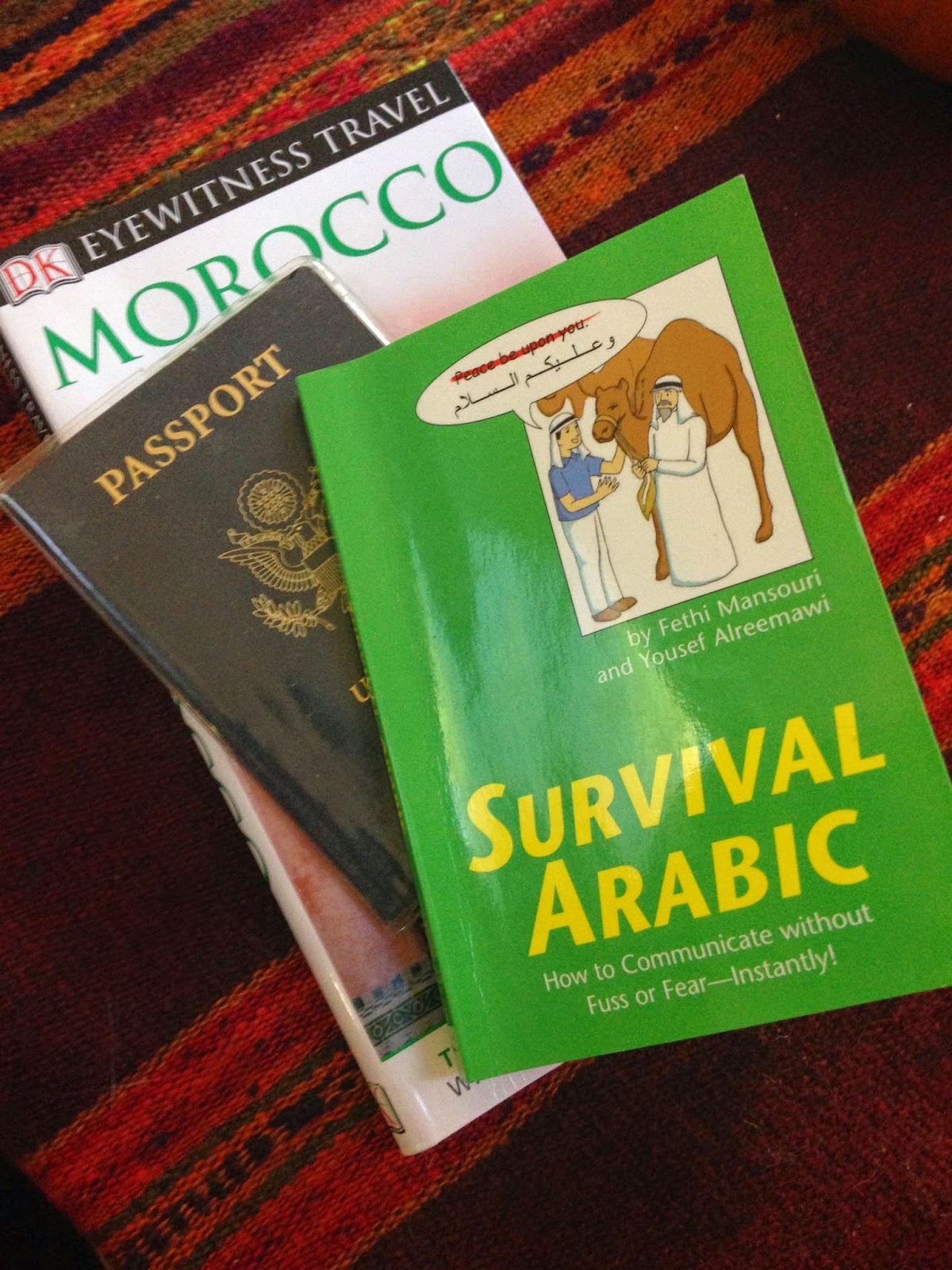
Several months ago, I went through the motions of thinking I’d learn some basic phrases in Arabic. I bought the book, turned a few pages, and got discouraged.  Then there’s the whole Arabic characters situation, which, although quite lovely on the page,  is all very unfamiliar and overwhelming.   I will never complain about the subjunctive tense in Spanish again.  The book tells me that with a vocabulary of only a few hundred words, I will be able to “survive in an Arabic-speaking country and even communicate some thoughts.”  I’m still working on “good morning” (sabaahal kyayr), but am not sure how far the one phrase will get me especially once the sun goes down.  I think I’ll bring my knitting.  That’s one thing I can teach without words.  And photos.  Pictures tell stories without words.

This will be my second volunteer trip with the Cross Cultural Solutions organization (my first being to Peru) and my first time in Africa, which feels very far away to me right now… 4,681 miles to be exact.  While preparing for this (ie, packing, unpacking, rethinking, then repacking, etc.) I find myself teetering between feelings of excitement and anticipation, laced with a bit of what the hell am I doing?  I’ve been down this emotional path before while anticipating the pathways to new adventures. Whether it’s on a mountain trail by myself, or getting ready to travel to a foreign country for three weeks by myself,  where I don’t speak the language and know little about the culture,  I think a bit of fear and trepidation is good.  I believe it helps keep me safe.

I’m guessing people will ask me when I return home, What did I do? Did I help build houses, schools, or develop programs that will live on long after my stay?  And I’ll answer just as I did when I returned from Perú—none of those things.  But what I did do was, I listened.  I held hands.  I accepted gracious invitations into homes with dirt floors and was invited to sit on couches that scared me because of the rodents that I’m sure were sharing the cushions. I danced to Peruvian music that I never could find the beat to, and painted the thick, dirty nails of grateful abuelas with old, sticky nail polish while I held their hands in mine and recognized the thread of vanity that connected us both.  I listened to countless stories of abuse, fear, and pain told to me by some of the strongest women I’ve ever met.  I laughed with them.  I cried with them.  I held their hand and accepted their affection.  I immersed myself in a culture that I thought I knew about before going, but really had no idea.

But what did you DO???

What I did was learn that the world is far bigger than the country where I comfortably reside, and that there is so much to be learned from the handful of third-world countries I’ve spent time in.
I learned how much I take for granted—clean water for starters.  I saw a lot of sickness that resulted from drinking the local water without adding bleach to it first.  Seriously.  Bleach.  While we run our water through filters that are supposed to remove impurities, these people were adding drops of the same substance that has warnings on its label not to ingest. Fortunately, I had the luxury of bottled water at my disposal while in Peru, unlike so many in the community where I stayed.  One of the first things my daughter, Emery, said to me during our initial stay in Perú was how little the people we were volunteering with had, yet how happy they were, and maybe, just maybe, they had a much better understanding of what makes a person happy than we did.  What a beautiful realization for an 18-year-old to recognize about life.  To see such joy on the faces of people who live their lives in a constant struggle to survive was a lesson to us both on the importance of living in the moment and finding gratitude in the simplest of things.

I have no idea what to expect during my stay in Rabat, but am guessing many of the experiences will mirror those from Perú, which is what has attracted me to volunteer again with this organization.

Years ago, during my second attempt at college, I decided to major in anthropology after sitting through the first lecture of a cultural anthropology class.  Before signing up for the class, I wasn’t sure what the study of anthropology was.   After making a definitive declaration that my major was going to be cultural anthropology with a minor in Spanish, I was asked countless times what I planned to do with my Anthropology degree and Spanish studies. Teach Spanish,  perhaps?  I really had no idea.  Almost 30 years later,  it’s all starting to make sense.
Although I’m feeling nervous and have no idea what is ahead for me in the African country of Morocco, or “al-Mamlakah al Maghribiyyah” (المملكة المغربية), which translates to the Kingdom of the West, this feels exactly like what I’m supposed to be doing right now.

I look forward to writing my blog posts from Rabat, as much as time and the internet connection allow.  So, for now…. as-salaamu alaykum – the most common Arabic greeting and one that thankfully gets shortened to “salaam”, which means peace be upon you.

I’m going to call that “how to communicate without fuss or fear… instantly!” false advertising…

Hands…The Dangling Strength That Hangs From Our Arms…

Hands.  Although hardly pretty, I’ve really come to love my hands.  They’re the outward representation of my spirit and in their lined palms, they have held all that I’ve loved, lost, hated, feared, created and comforted. They even hold the scar from a mishap with a tomato can lid while I was pregnant with Emery and trying to precook meals in anticipation of her arrival.  I was told, after my 10 stitches to the palm, that I’d never be able to get an accurate palm reading on that hand as there’s an extra line.  Maybe that tomato can lid added something to my life by adding the line – at least that’s the theory I’m going with.

My sister, Susan, told me that she had a yoga teacher once ask the class to look at their hands deeply enough that they almost seemed separate from the rest of their body and think about what they’ve done in your lifetime.  I had never really done that before and became rather obsessed with the idea of my hands.  Sure, the other parts of my body have also been along for the ride,  but it is the hands, the very visible hands,  that have created,  destroyed, cradled, protected and applauded their way through this life.

Susan told me that during the process of thinking about her hands, she thought about other hands and which pairs she would recognize.  She told me she would recognize my hands easily and wondered, would I be able recognize my own children’s hands out of a group of several?

“Of course I would!!!”  (this definitive YES is in no way trying to neutralize my confession in an early post of not recognizing my own new born in the hospital…)

But I later wondered…. would I?

Somehow hearing that Susan would recognize my hands gave me a deep sense of comfort.  She said they were hard working hands.  She’s right. My hands have always felt right at home digging in the dirt.  I know there are tools for that, and they do help me get the job started, but when it comes to placing a new plant into the earth I want to have full on skin to dirt contact.  That being said, I’ve entered into the season of perpetually dirty nails that do not know their way around a nail salon and quite honestly, kind of feel like they don’t belong.  With garden centers, on the other hand,  I’m full in.

While thinking about hands, I couldn’t help but think back to a few years ago and the volunteer work I did in Perú at a center for the poor elderly.  One of the activities I chose one day was to give manicures to any of the women who wanted them. Much to my surprise, almost all of them did, creating a bit of a frenzy at the small “station” I had set up.  I had danced with these women, chatted with them in their homes,  played games with them, but my favorite, by far, were the manicures.  There was a real intimacy in holding their hand, while painting their nails and like little girls, they were in awe of the process, watching carefully and boldly pointing out to me when my little brush painted outside of the nail line.

These hands made my hands look pampered and delicate.  THESE were working hands and just like Madge on the Palmolive commercial, I had all the waiting hands soaking in soapy water.  I told them it was to soften the nail so I could cut them, but in reality it was simply to clean them up a bit as most were filthy. Again, these were working hands.

One of my favorites, Maria Rivera, waited patiently in line and finally took her spot as my last customer.  She had the hands that needed the most work.  Her fingers were bent with arthritis and her nails thick and dirty and terribly ignored.  She had definite ideas as to how she wanted them to look – cut short, painted bright pink and made to look pretty.

“Bonita y rosada por favor.”

I did the best I could to make them not only bright pink, but well manicured and far cleaner than what she started with.  She seemed pleased.  As I held her hand in mine and tried  to file the nails down to a respectable length (they were far too hard to cut), I couldn’t help but think about what Susan had told me about hands.  As I worked my way across the nail of each of her short, thick fingers, I thought about the history I had been told about her, specifically how her own son had tried to strangle her.  Were these  hands that I was holding the same ones that pulled her own son’s hands off of her neck while trying to save her own life?  What else had these very strong hands done to protect the body that they dangled from?  No doubt there were many stories and I wanted to sit back and hear all of them while I held her fight, her strength and her integrity in my own hands.  These same hands, that were her protectors, still honored her vanity and drew perfectly arched brows over sad brown eyes, and placed a gold hat that looked like a half-popped jiffy pop container on top of her neatly coiffed hair every morning before coming to Los Martincitos.

Me and Maria Rivera

I felt honored to feel such intimacy with these women while working on their nails and making them pretty and pink.  The task at hand was the manicure, but I felt like I gained far more than what I gave.  The simple pleasure of being with these beautiful hard-working women who had experienced so much hardship in their lives, one at a time, while holding their hands and letting its energy mingle with my own was a gift.

Amelia… far prouder than she’d let on…
Petronila de Leon’s nails… pretty in pink!


These hands looked a whole lot different 24 hours later…

Besides the fact that the polish was old and sticky and the women insisted on sitting right next to me rather than across from me, which made for awkward angles, plus having to work under the frustration of swarms of flies (I later discovered that directly on the other side of the wall we were sitting in front of was a garbage dump), it has become one of my most treasured memories of my time in Perú.

My own hands, the same that so often had been told to put it down, leave it alone and stop picking at it, followed the rest of myself into a nail salon for a manicure the day before my son, Thomas’ wedding last year.  After the nail tech brought out the third wrong shade of pink,  I had to leave because I started crying.  Yes, crying. That’s not a typo.  When I got home my other son, Grant, asked me if I got my hands all fixed up (boy speak for manicure) and I told him no that I had to leave because I started crying.  He said nothing for a few seconds then responded with:

“You’re not ready for him to get married, are you?”

“No.  He’s still 9 years old… or so it seems.”

Clearly this was not about the wedding, but rather was about my having to face, full on, the passage of time, which felt a whole lot faster than was comfortable.

It’s easier for me to be more accepting of my stubby fingers with rough cuticles and often less than perfectly manicured nails when I think of what these hands have done for me.  The small hands they’ve held while crossing the street, the plants they’ve placed with hope into the dirt and the weeds they’ve pulled out in frustration,  the family dog that they held while he was being put to sleep and the tears they wiped away for so many days that followed, the babies they’ve held, the stories they’ve typed.  I love them in all of their flawed imperfection as they represent my history, my life and my spirit in full view.   How can that not evoke a crazy sense of pride of ownership…dirty nails and all?

The End.