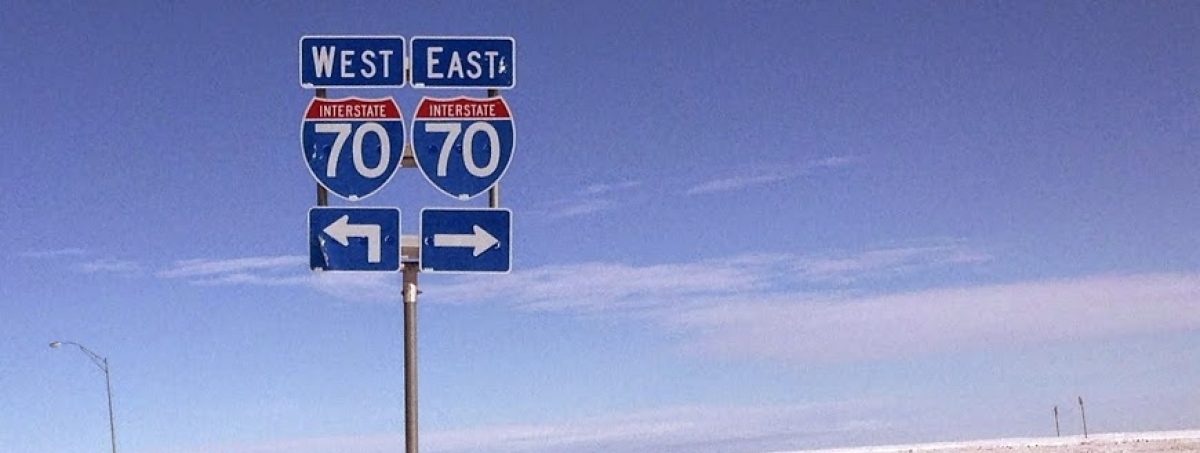
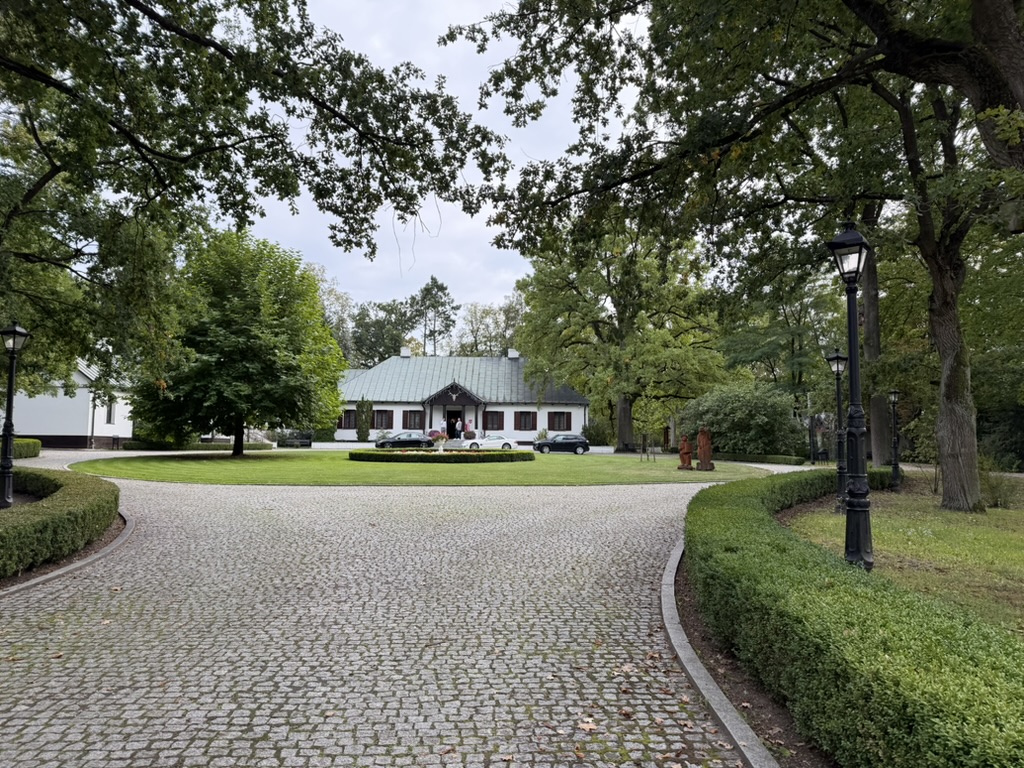
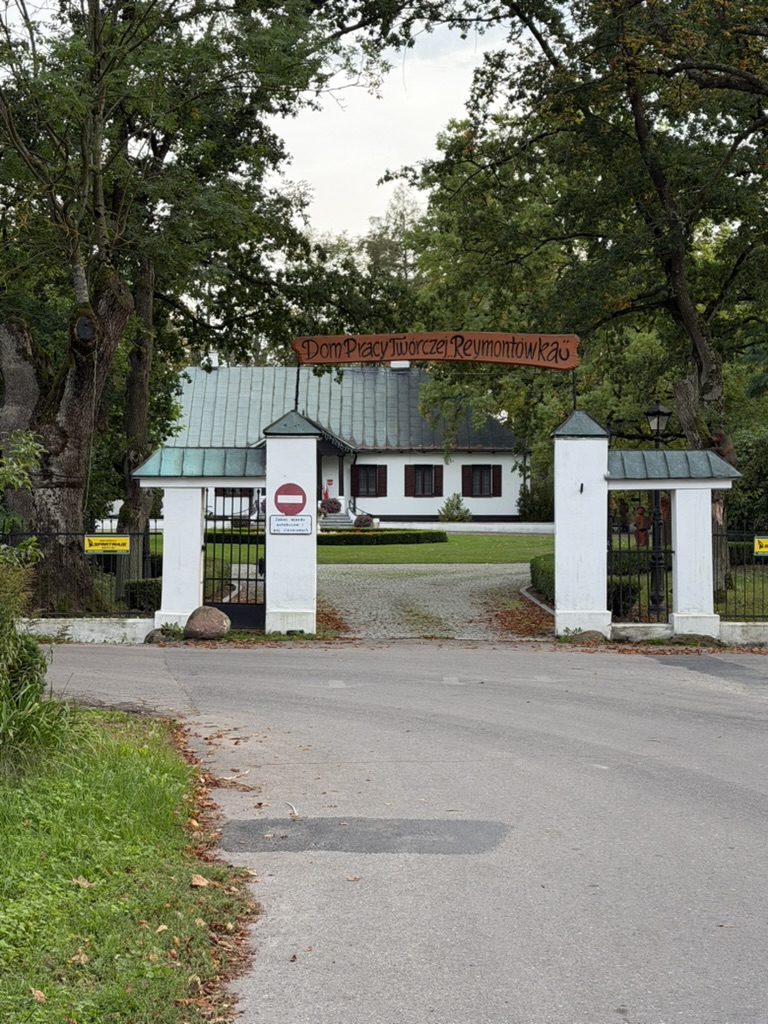
Beautiful Reymontówka, my home for 2 weeks
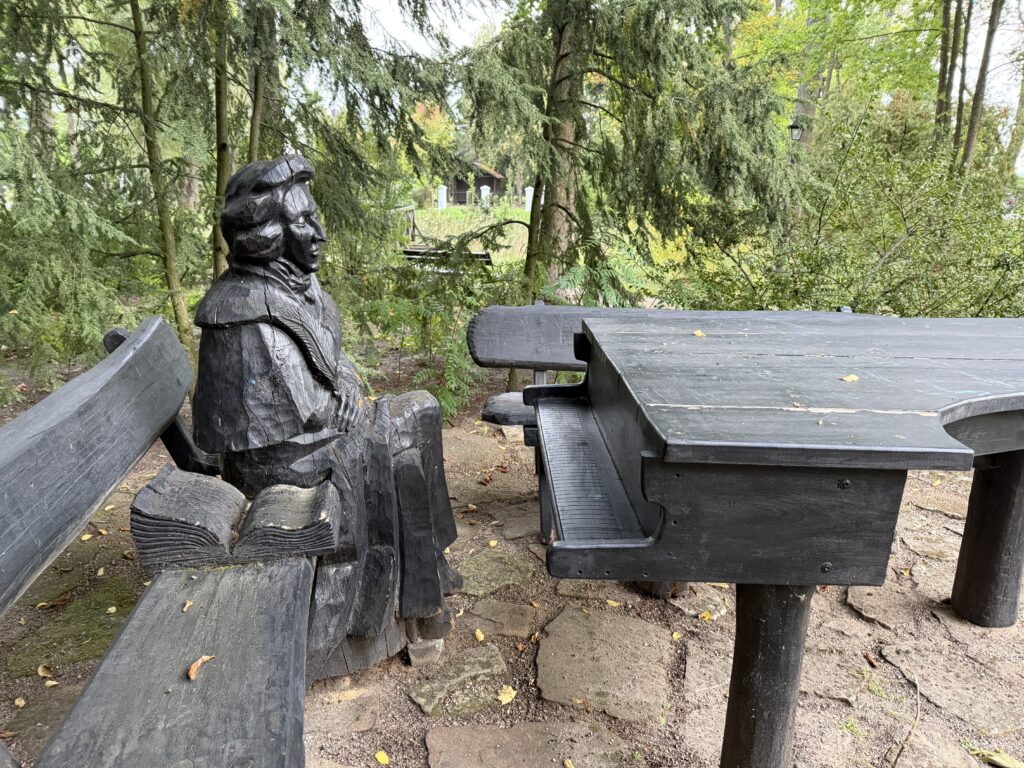
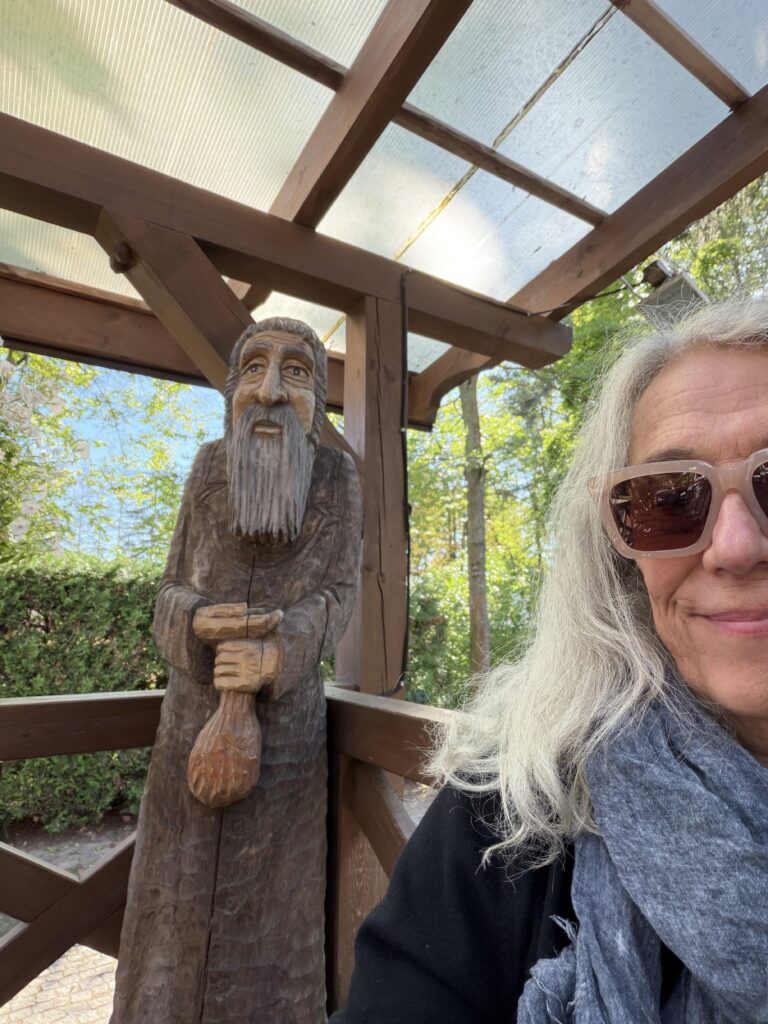
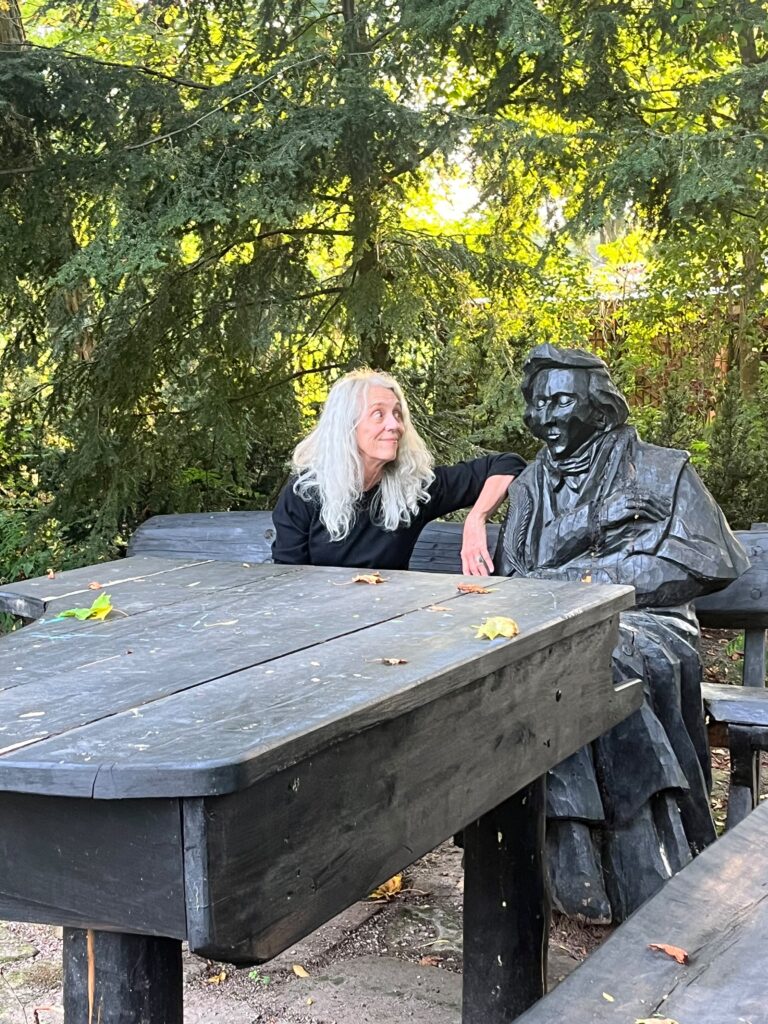
The grounds at Reymontówka were filled with hand carved statues. I found my favorite.
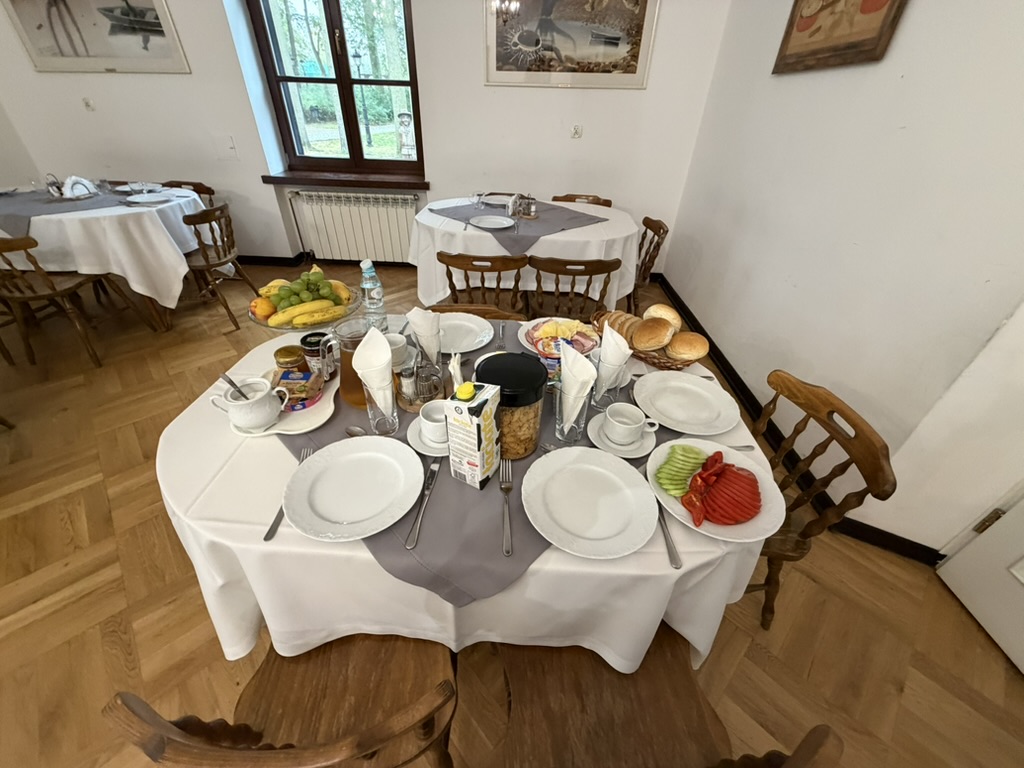
Our dining area…one table in a room of tables but the three of us were always the only ones eating.
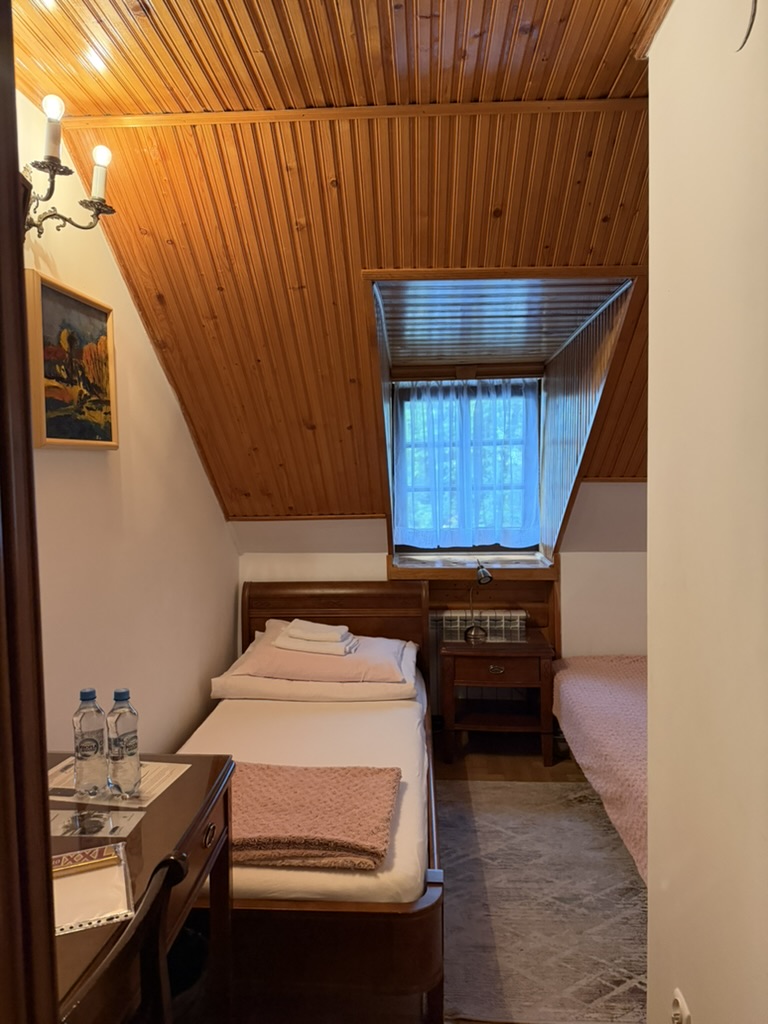
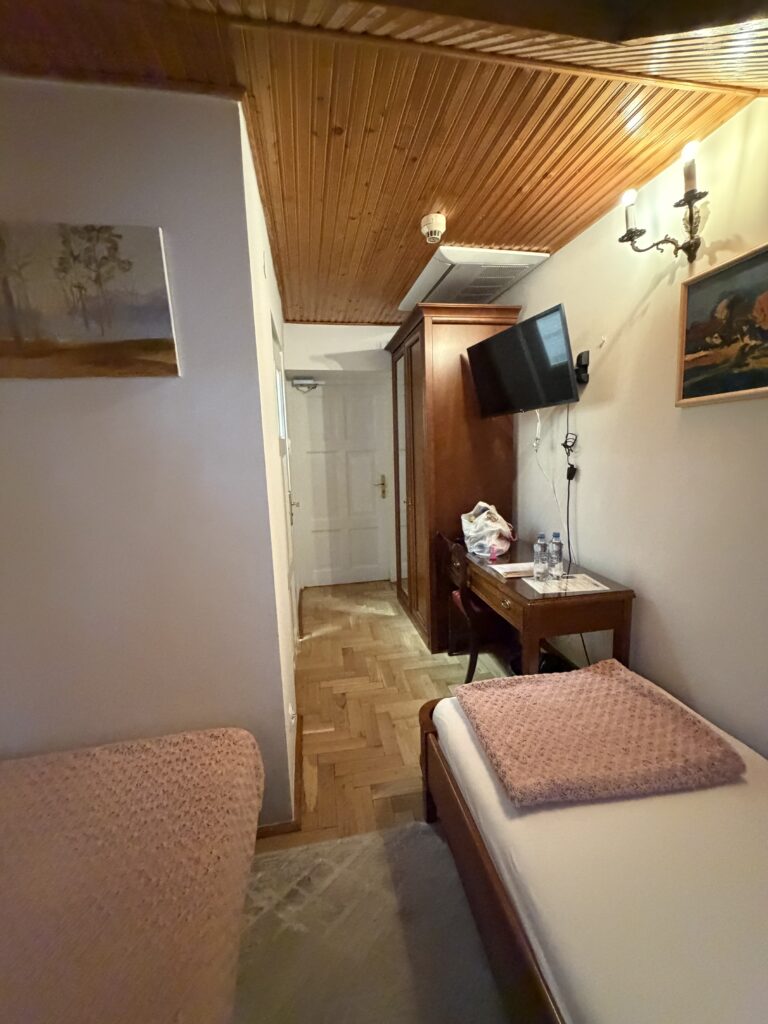
My cozy, wonderful room…
How do you teach 5 different grade levels in a Polish elementary school, with each class ranging from never-speak beginners to near fluency, when the only Polish words you know are good morning? I’m sure something about that was in the many pages that remained unread in my bag. Had I written those pages, I would have said, first and foremost, remember to have fun and find the connection. Then you pull out your carefully thought-out plans for the day and hope someone in the class understands you. Fortunately, at least one student in every class usually did and became my translator.
Some of the ideas my co-teacher and I had worked on worked, and some didn’t. One that worked was making paper airplanes, taking them into the hall, and throwing them one at a time, with the goal of getting students to say, “Mine went the farthest, or the highest, or the slowest, or the fastest.” If that sounds like a lot of work for a sentence or two, you’re right, but some students refused to speak English, and if we could “trick” them into speaking with a fun activity that made them forget they were learning, it was a success.
Another class favorite, especially with the older grades (7th and 8th graders), was what we named the “grocery store challenge.” We divided the class into groups of 2 and gave each group sale ads from an American grocery store. Using the ads, they created a menu for 2, including a protein, a vegetable, a fruit, a dessert, and a drink. The total had to be under $20 (80 zloty). After making their selections, they shared their menu plans with the class. It was fun seeing the teams collaborate on their food choices. One group of girls chose bacon for their protein. Only bacon. When I asked if they planned to serve anything else with it, such as tomato and lettuce for a sandwich, they said no. They could only afford the bacon because they wanted to buy the $7 flower arrangement in the ad. Those two girls became two of my favorites.
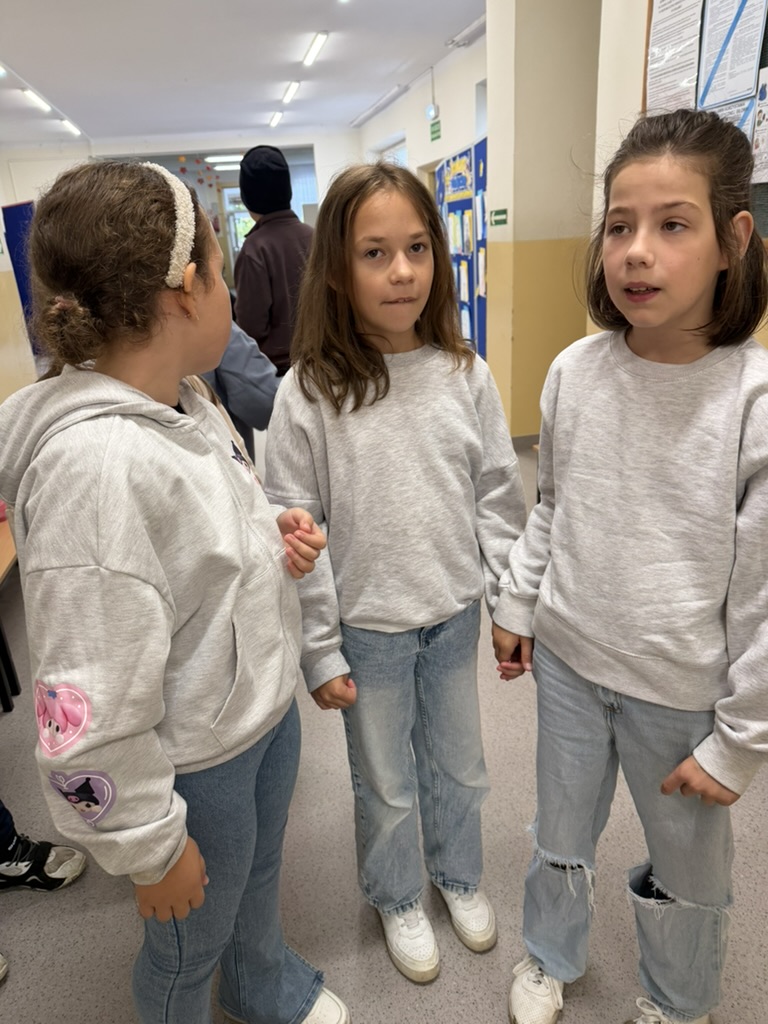
The girls on the right wanted flowers more than an entree. Secretly, two of my favorites.
Golabku Elementary School, was located in a rural area about 15 minutes from Ramontówka, the manor where we stayed, and an hour from Warsaw. The school was small but used its space efficiently. There was no cafeteria, but benches lined one side of the hallway where students ate lunch. The school had 73 students from Kindergarten to 8th grade, and its size made it feel like family, with the older students helping the younger ones and everyone knowing everyone. The students were polite and respectful, and discipline was never an issue. It took one day for the students to feel comfortable enough to greet me at the door with smiles and enthusiasm. It was good work. Exhausting, but good.
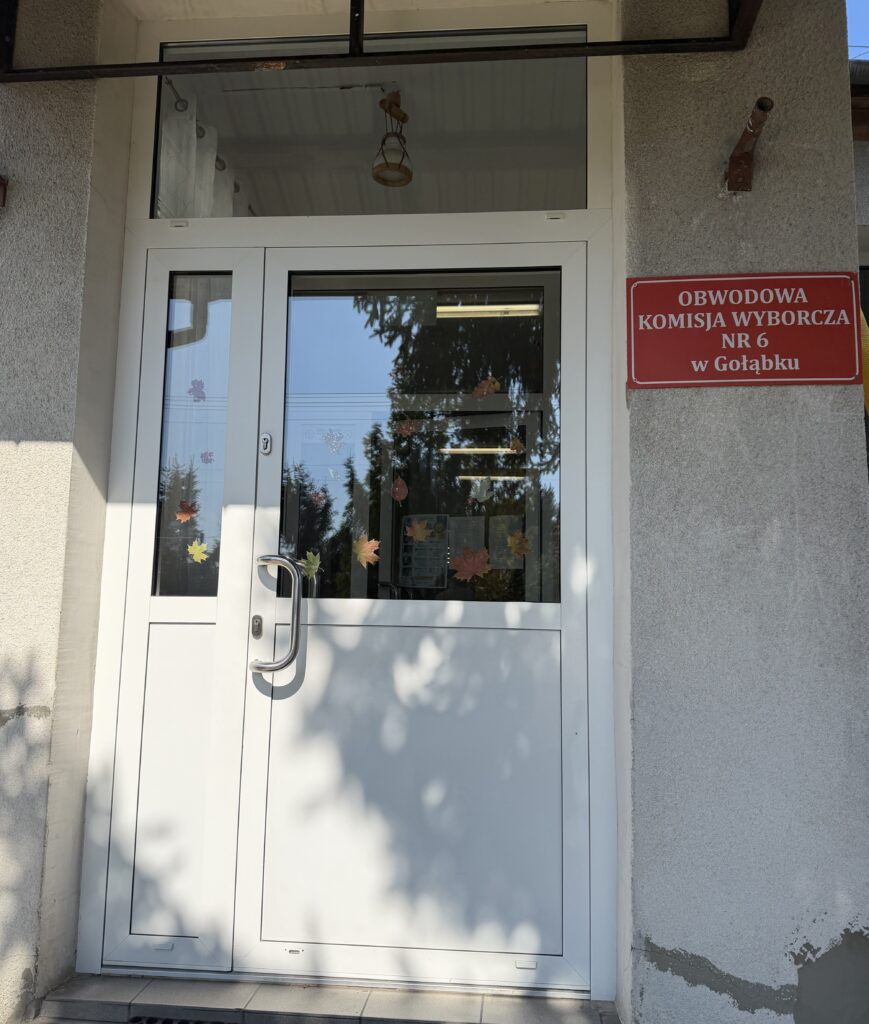
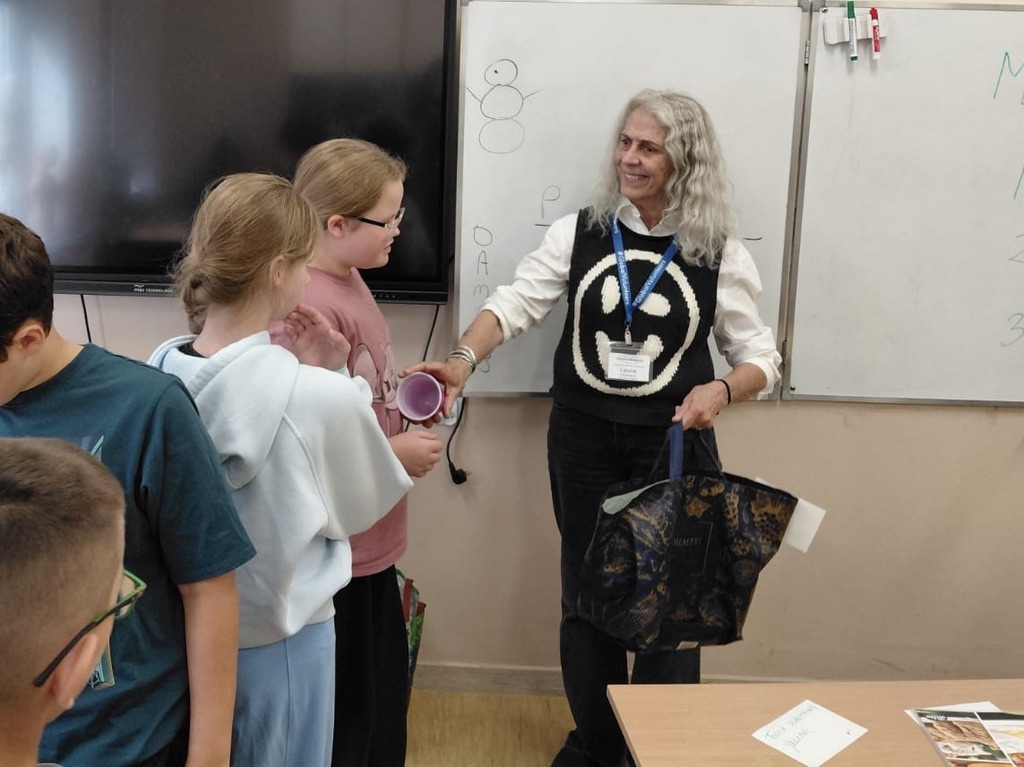
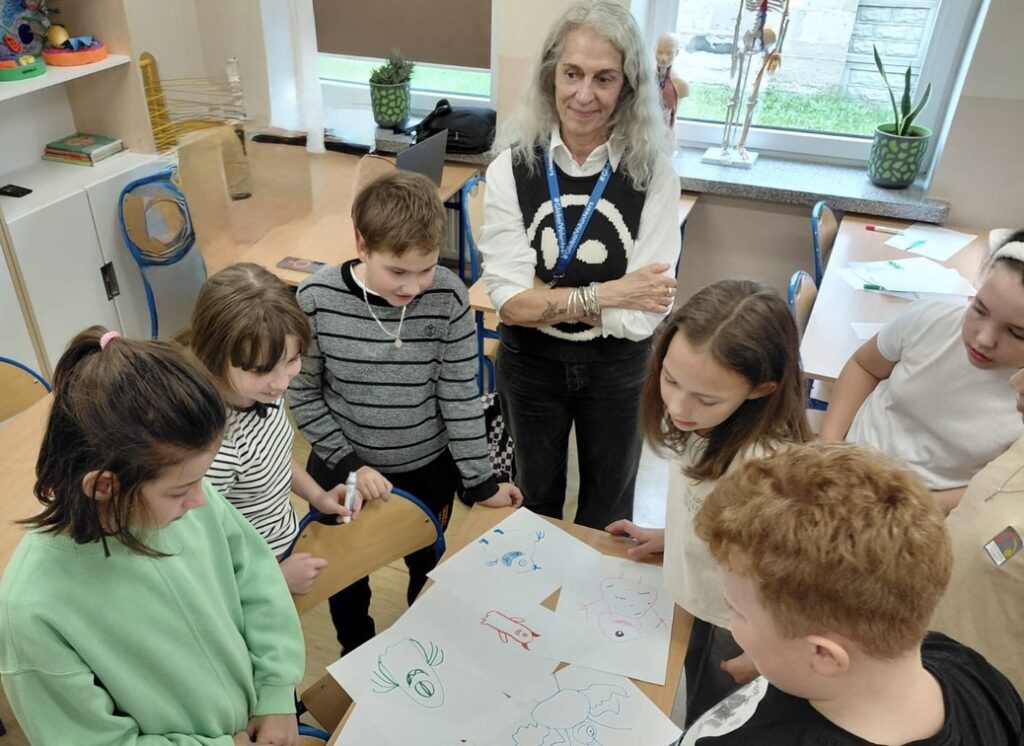
4th graders…
Each class period was 45 minutes, and we taught 5 classes a day: 4th-, 5th-, 6th-, 7th-, and 8th-graders. A quick, easy game I came to rely on was “hangman,” though I changed the name to “snowman” because I didn’t want to explain that I would be drawing a man hanging from a rope with every letter they missed. The game became a favorite, and when one of the 7th-grade girls who had never said a word in class shouted out the answer, I knew I had gotten it right. I had to stop for a minute to take it in.
By the end of my 2 weeks, I knew most of the 4th through 8th graders by name, but still couldn’t pronounce a few, so I asked the students to write their names on a piece of paper and put it on their desk so I’d have a cheat sheet. That didn’t help. Their handwriting was very small, and they formed even familiar letters differently; they also had 6 extra letters in their alphabet and 9 letters that had additional marks that changed their pronunciation. On day 3, the girl whose name I continued to struggle with told me that her “American name” was Lucy, if I wanted to call her that. So Lucja became Lucy, and I called her more often because I could pronounce her name.
Every afternoon, I returned to Reymontowka, a picturesque manor built in the early 1800s, surrounded by acres of beautiful grounds and forests. The other 2 volunteers and I were the only ones staying in the large manor, which made for an interesting experience when we didn’t hear the kitchen alarm late one night but knew something was wrong when we saw two fire trucks pull into the driveway. Confusion followed as 3 Americans who didn’t speak Polish tried to communicate with several Polish firefighters who didn’t speak English. They confirmed nothing was on fire and left. Later, we heard an insect may have set off the kitchen smoke alarm. I couldn’t help but envision the story of what could have been: The 200-plus-year-old Reymontowka burns to the ground, its only residents, three American volunteers. Thankfully, that was not the case. The next morning, when our in-country director, Olga, arrived and we told her about the previous night’s excitement, her first question was, “Were the firemen hot?” (Olga was in her early 30s).
“No, Olga, they were not, and although they were nice men, probably not fireman calendar material.”
On my first night at Reymontóka, I got an outsider’s view of a Polish wedding at the manor. Olga advised us to bring earplugs, because the music would be loud and would go on until at least 5:00 or 6:00 a.m., and the last course of the wedding dinner is traditionally served at 5:00 a.m. The last song I heard that first night, or morning, more specifically, was ironically the rally song played at Kansas City Chiefs games. I was reminded me that even though I had traveled thousands of miles, I wasn’t that far away.
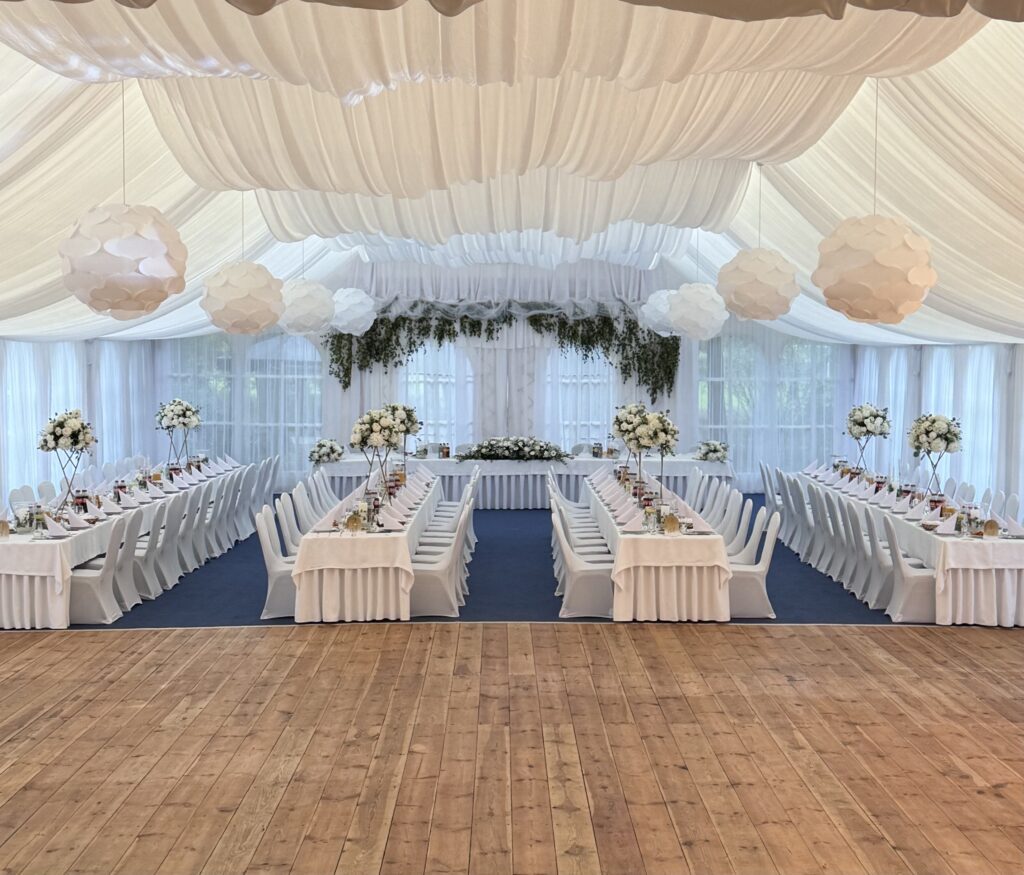
The wedding tables in the tent
The following week, when I saw the same long tables that had been used for the wedding party, elegantly set with white linens, china, and stemware, I asked Olga if there would be another wedding, and she told me no; it was an employee party, which is why the kitchen staff was working so hard. They were preparing for their party, and they would also be the ones cleaning it all up in the early morning hours.
Curious, after dinner that night, I snuck into the dining room, which opened into the tent, to take a peek. The director saw me peeking around the corner and motioned for me to come in. His English was as bad as my Polish, so we used a lot of sign language, as I tried to tell him I only wanted to look, not interfere. He insisted and guided me into the tent to the long table, laden with food and drink. I felt like a party crasher and planned to leave as soon as I entered, until one of the women offered me a cherry vodka shot (a very popular drink in Poland, and, I was told, “homemade” in that area). I took a sip to be polite and was taken back to the sweet drink I remembered from high school. Sweet, strong, and a very bad idea. Another woman asked me if I’d like to dance with the group, and I hesitated, but a gentle tug of my arm and I was on the dance floor. I was touched by how open and inviting the group was with me, a stranger who had crashed their party. The director then joined us, and for the next few hours I danced, conversed with gestures, declined multiple shots of vodka, and truly enjoyed myself. For the first time in a long time, I felt joy; joy on a dance floor filled with Poles dancing to unfamiliar music but a familiar feeling. The joy I felt brought tears to my eyes. I felt Emery’s presence and heard her words: “Just go, Mama.” And so I did. I let go of my reality, my grief, and my sadness and lost myself in the notes of the music that I thought was Polka, but was corrected: “Polka is Czech, not Polish.”
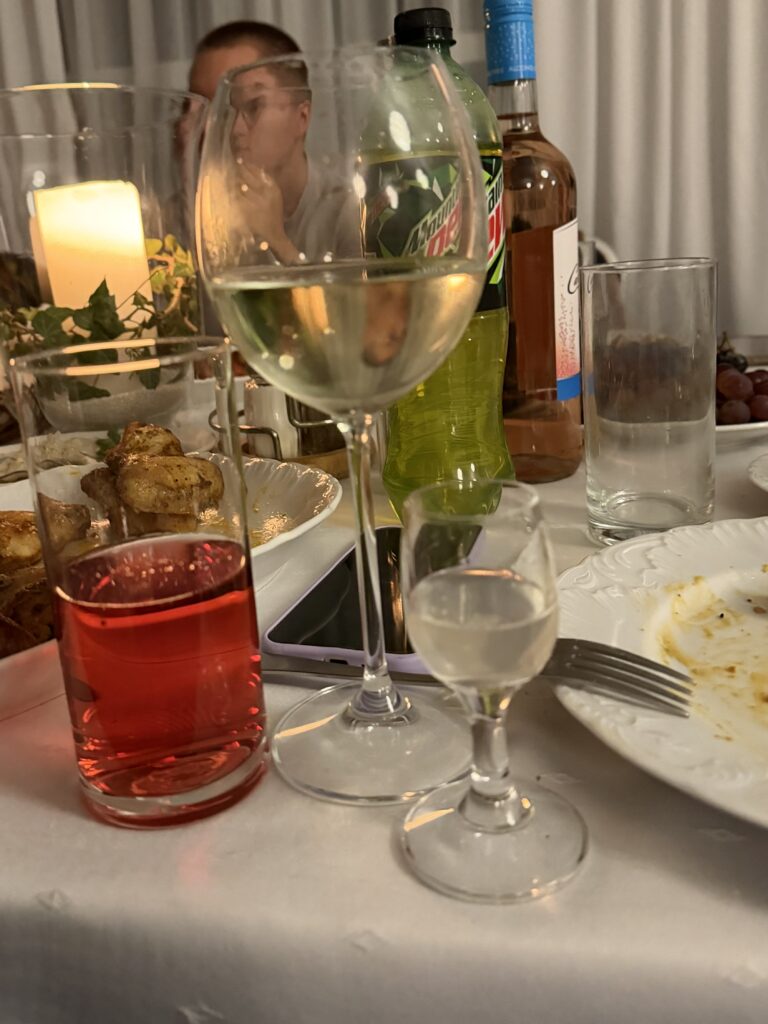
Most of my photos from the party were videos… this was my only still, but you get the idea…
On my last day at the school, the other volunteer and I received gift baskets and sweet goodbyes. Several of the students followed me to the door and stopped me for one more hug. One boy who wouldn’t make eye contact with me for the 10 days I had him in class took his place in the hug line-up and returned for a second. Unlike an Irish goodbye, a Polish goodbye is a long, multi-stage process and, with the students, involved multiple hugs, which were gladly accepted. When the school director asked if I would please return next year, I smiled and didn’t respond, but knew my answer.
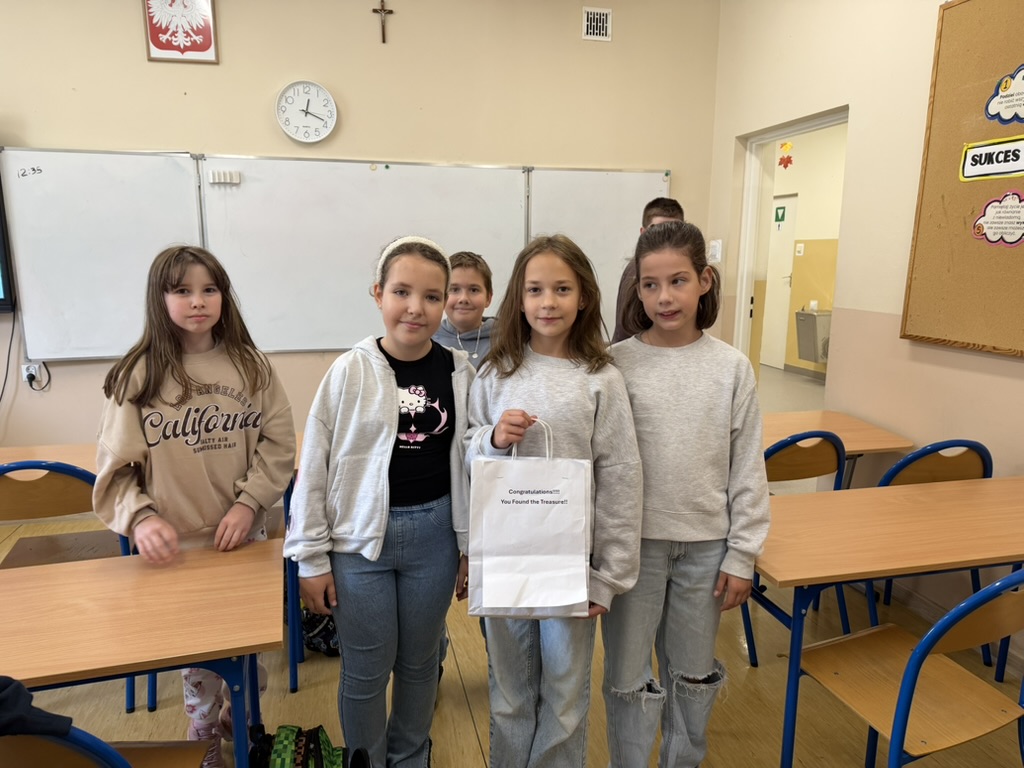
4th graders after finding the scavenger hunt prize we set up for every class on the last day… (American candy and stickers… a huge hit)
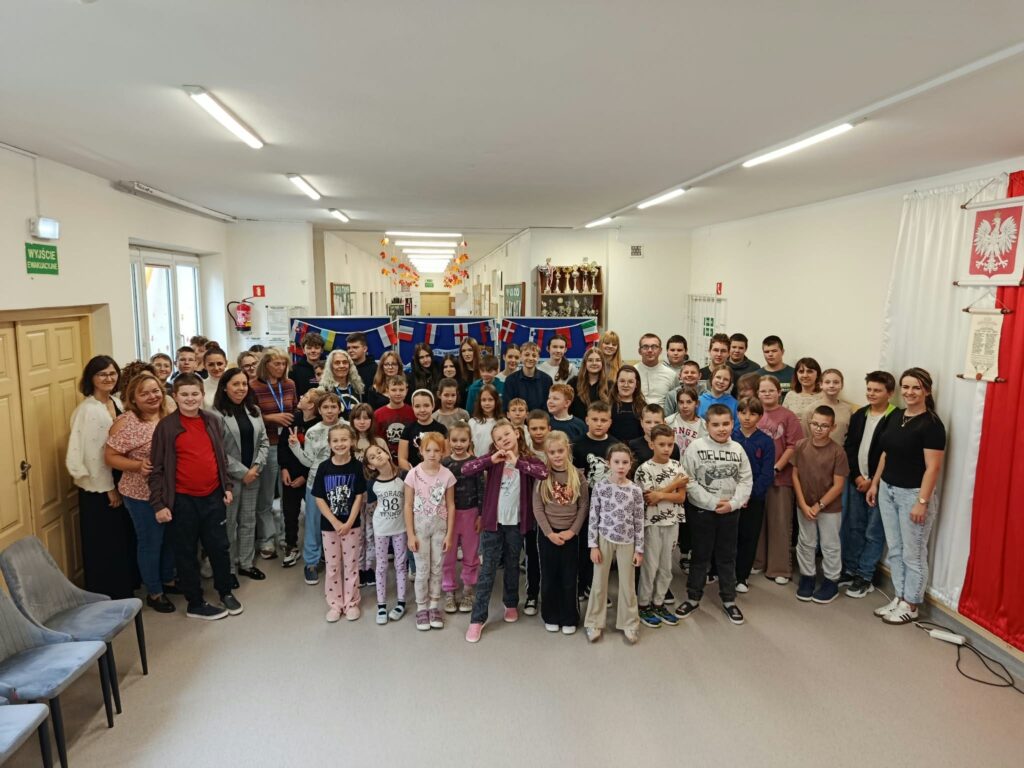
Golabku School, all 73 students, staff and two volunteers!
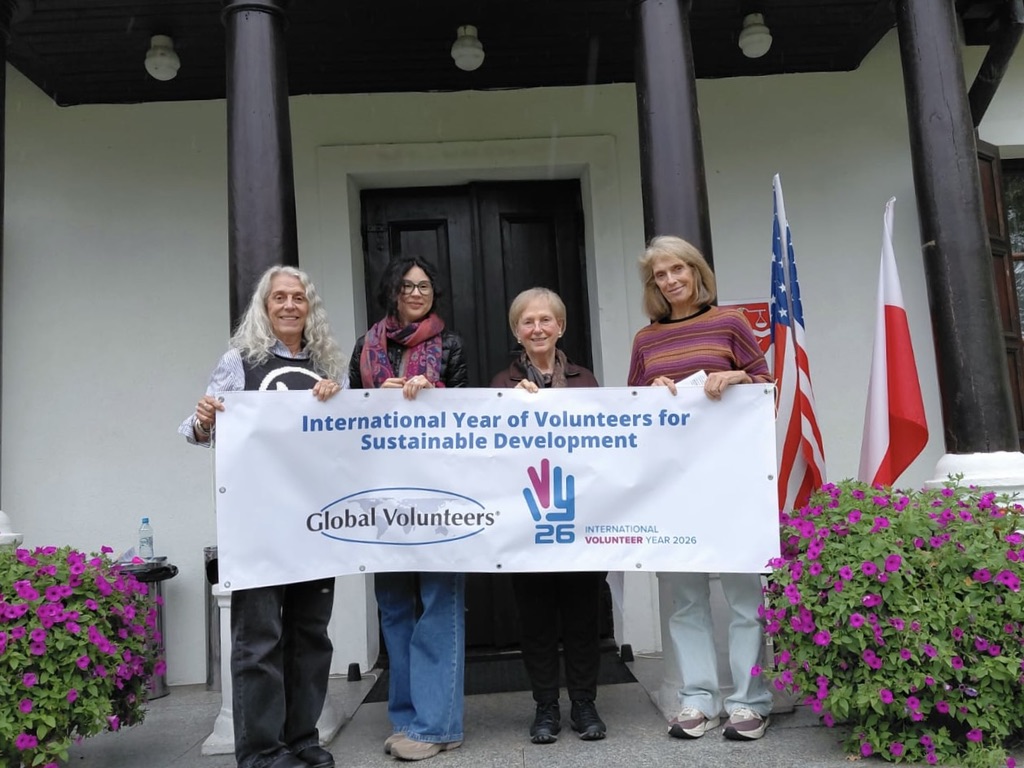
I missed Emery more than usual; maybe it was the date, on the heels of what would have been her 36th birthday, or maybe it was being back in the role of volunteer in a foreign country that felt so right to both of us. But she was there…in the notes at the Chopin recital, in the joy on the dance floor at the employee party, dancing to music that was NOT Polka, and in the faces of the Polish children when they understood me and responded in English. I found her.